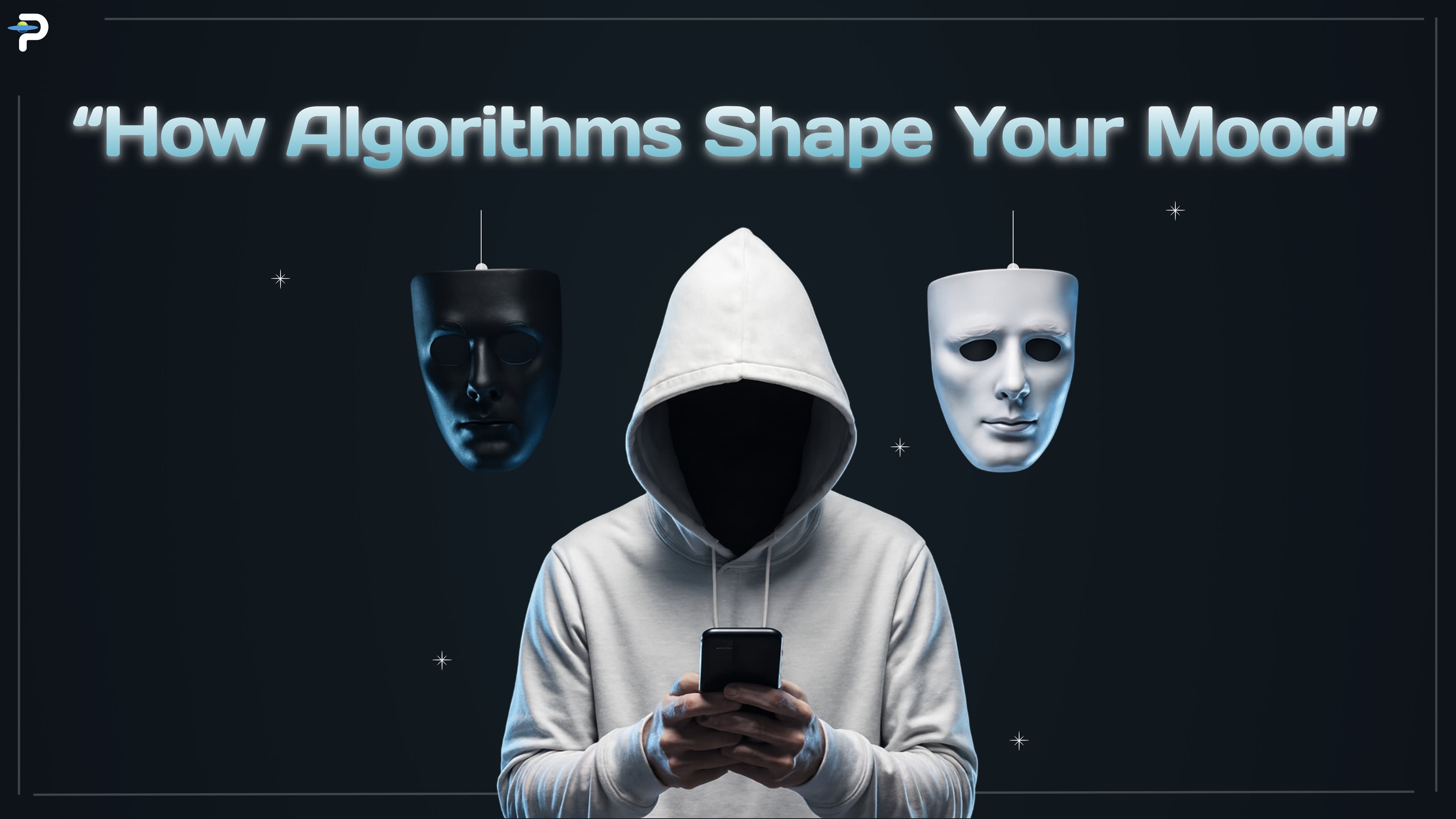
Welcome to the algorithm.
Recommendation algorithms are not random. They're not even particularly mysterious once you understand what they're actually trying to do. At their core, these systems, whether they live inside YouTube, TikTok, Instagram, Spotify, or Netflix, have one singular obsession: keeping you engaged for as long as possible.
They do this by tracking everything. Not just what you watch or click, but how long you linger. Whether you paused. Whether you rewatched the first five seconds before scrolling. Whether you came back to something hours later. Every micro-behavior is a data point, and the algorithm is constantly building a model of you, a version of you expressed entirely in patterns of attention.
Here's where it gets interesting. The algorithm doesn't care if your attention is pleasant or unpleasant. It cares that your attention is captured. And as it turns out, content that triggers strong emotion, outrage, fear, awe, sadness, anxiety, is far better at capturing attention than content that makes you feel calm and content. Calm doesn't click. Calm doesn't share. Calm quietly puts the phone down and goes to sleep.
So without ever being explicitly programmed to make you feel bad, these systems drift naturally toward content that keeps your nervous system buzzing.
The really insidious part isn't a single session of doom-scrolling. It's the loop.
You feel a little low, so you reach for your phone. The algorithm, reading your engagement patterns from the last few days, surfaces content that matches your current emotional state, because that's what you've been responding to. Heavy content gets heavy engagement from you when you're already heavy. So it shows you more. You consume more. You feel worse. You keep scrolling, searching for something that'll flip the switch. The algorithm interprets continued scrolling as enthusiasm and doubles down.
This is not a conspiracy. No one at a tech company sat down and said "let's make people miserable." But the incentive structure, maximize engagement, at any emotional cost, produced a machine that is accidentally very good at making people feel stuck.
Research backs this up. Studies have linked heavy social media use to increased rates of anxiety and depression, particularly in younger users. The connection isn't just about comparison or screen time. It's about what the algorithm chooses to show you based on what it knows will keep you there.