The information provided on this publication is for general informational purposes only. While we strive to keep the information up to date, we make no representations or warranties of any kind about the completeness, accuracy, reliability, or suitability for your business, of the information provided or the views expressed herein. For specific advice applicable to your business, please contact a professional.


That’s what made many people quietly give up.
But lately, something has shifted. A new kind of sustainable product has started showing up. These don’t announce themselves as “eco-friendly.” They don’t guilt you. They just… fit. They work well, look good, and feel normal. Sometimes even better than what they replace.
Here are a few examples of sustainability done right. No sacrifice required.
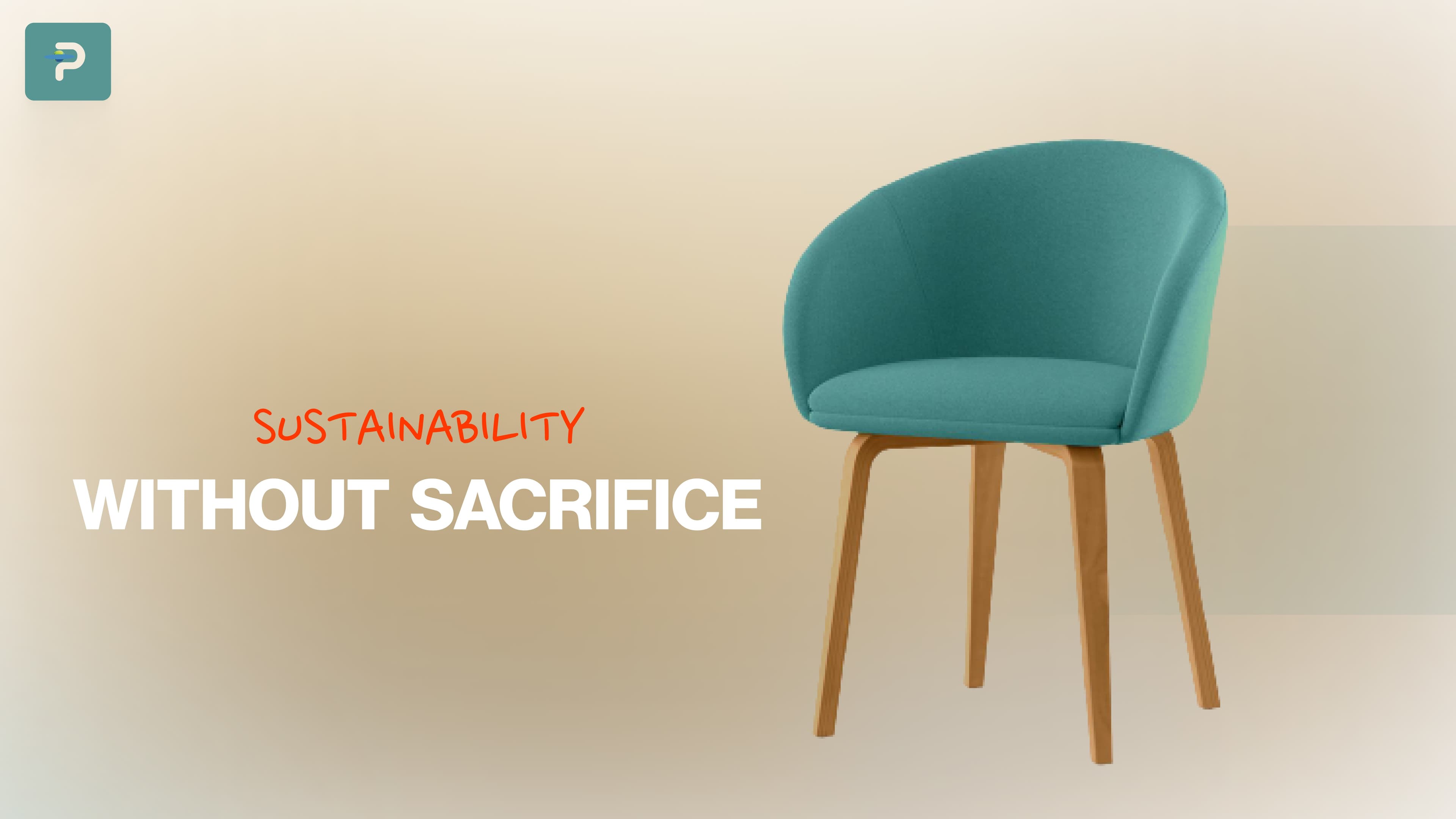
Some of the most interesting furniture today is being made from materials that used to be discarded. Agricultural leftovers, plant fibers, compressed natural waste.
What’s surprising is how little you notice it. These pieces don’t feel experimental or fragile. They feel sturdy. Balanced. Designed with intention. You sit on them, use them, live around them, and forget they’re “sustainable” at all.
That’s the point. When furniture feels good to live with, you keep it longer. And that alone makes it a better choice.
Most cleaning products are bulky bottles filled mostly with water. Sustainable alternatives quietly question that logic.
Refillable bottles paired with concentrates or tablets don’t feel restrictive. They feel efficient. You store less. You waste less. You mix what you need and move on with your day.
There’s no sense of “doing the right thing.” It just feels like using a better system.
Many products today are designed to be replaced quickly. Break it, toss it, buy another.
Some newer designs take a different approach. Lamps where parts can be swapped. Home items that can be adjusted, expanded, or repaired instead of discarded. These products assume you’ll have a relationship with them, not a short fling.
That expectation changes how you treat things. You don’t rush to replace them. You keep them. And sustainability happens naturally, without effort.

Discover more articles you may like.
Some top of the line writers.
Best Articles from Top Authors
Sustainable fabrics used to feel rough or unfinished. That’s no longer the case.
Some modern textiles are made from plant waste and food industry by-products, and yet they feel soft, durable, and thoughtfully made. They don’t announce their origin. They just feel good against your skin or in your space.
When something feels comfortable and well-made, you don’t want to replace it. That emotional attachment matters more than labels.
One of the biggest drivers of waste is forgetting what you already own.
Clear, modular storage systems don’t lecture you about consumption. They simply show you what’s there. When everything is visible and organized, you naturally buy less and waste less.
No discipline required. No rules. Just better awareness.
Some sustainable products don’t need your attention at all. They work quietly in the background.
Lights that turn off when no one’s around. Power systems that reduce unnecessary usage. Water flow that adjusts without you thinking about it.
You live the same way. The product does the work. That’s when sustainability feels effortless.
The most meaningful shift isn’t about materials or trends. It’s about respect.
These products respect your time, your comfort, and your desire for things that simply work. They don’t ask you to lower your standards. They meet them.
And when sustainability feels normal instead of noble, it stops being a compromise and starts being common sense.