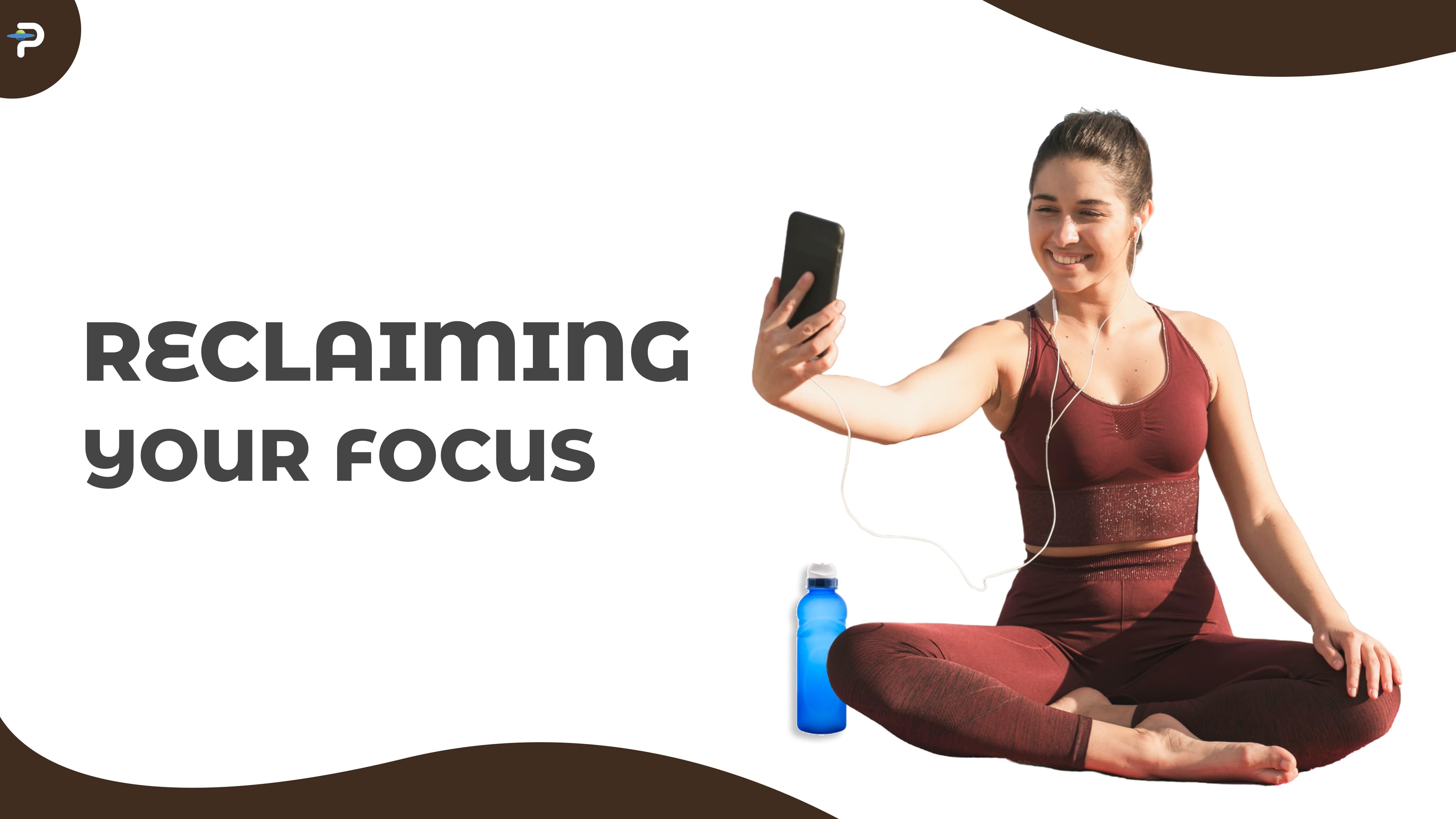
But as the New Year rolls in, the vibe is shifting. We are seeing a massive cultural pivot away from "hyper-connectivity" toward something calmer and more powerful: Intentional Tech.
This year, the best resolution you can make isn't just about going to the gym; it's about training your attention span. Here is why Intentional Tech is rising, and how you can master it.
Intentional technology doesn't mean throwing your smartphone into a lake or living like a luddite. It is not about abandoning technology; it is about mastering it.
The philosophy is simple: Technology should be a tool you wield, not a slot machine you carry.
In the past, we accepted default settings that allowed apps to interrupt us whenever they wanted. Intentional Tech is the conscious decision to curate your digital environment so that it serves your goals rather than hijacking your dopamine receptors. It shifts the narrative from "I am addicted to my phone" to "I use my phone to execute specific tasks, and then I put it away."
Why is this trend exploding right now? Because we have reached "peak distraction." The novelty of being constantly reachable has worn off, replaced by a collective sense of digital fatigue.
We are realizing that digital wellness isn't just a buzzword; it is a prerequisite for mental health. The endless pinging of emails and the pressure to be "always-on" have eroded our ability to do deep, meaningful work. In this New Year, people are prioritizing their mental bandwidth over their bandwidth speed. We are craving silence, focus, and the ability to be present with the people sitting right in front of us.
You don’t need a complicated app to start (ironically). Here are three human-centric ways to build healthy tech relationships starting today:
1. The "Purpose Check" Pause
Before you unlock your screen, ask yourself one question: What am I here to do?
If the answer is "I don't know" or "I'm bored," keep the phone locked. If the answer is "Check the map" or "Text Mom," go ahead—but stick only to that task. This tiny pause breaks the auto-pilot loop of mindless scrolling.