The information provided on this publication is for general informational purposes only. While we strive to keep the information up to date, we make no representations or warranties of any kind about the completeness, accuracy, reliability, or suitability for your business, of the information provided or the views expressed herein. For specific advice applicable to your business, please contact a professional.
We’ve all been there. It’s late. You’re tired. Suddenly, all you want is something sweet. Or salty. Or something heavy and comforting. And almost instantly, the guilt kicks in.
We are a cutting-edge technology company specializing in software development, AI-driven solutions, and enterprise IT services. Founded in 2015, the company has established itself as a leader in digital transformation, helping businesses leverage technology for growth and efficiency.
0
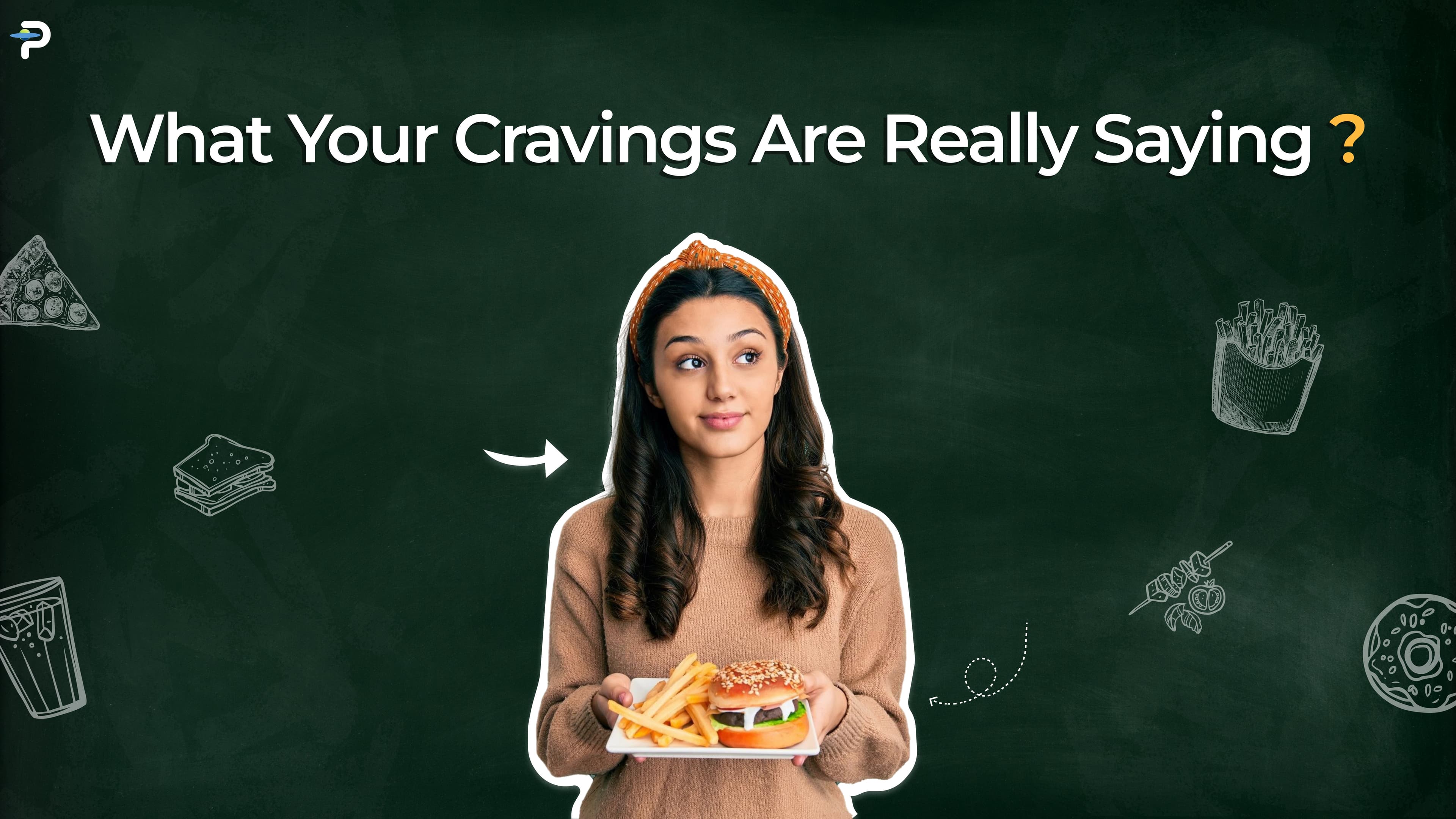
But what if cravings aren’t a failure of discipline?
What if they’re information?
Your body is not random. It is constantly regulating energy, hormones, hydration, and stress. Cravings often show up when something in that system is slightly out of balance. They’re not moral weaknesses. They’re feedback signals.
The real question isn’t “How do I stop this craving?”It’s “Why is this happening right now?”
Let’s unpack four of the most common drivers: sleep, salt, protein, and stress.
1. When You’re Craving Sugar, Check Your Sleep
If you slept badly and now want cookies, chocolate, or bread, that’s not a coincidence.
Sleep deprivation changes your hunger hormones. Ghrelin (which increases appetite) goes up. Leptin (which signals fullness) goes down. At the same time, your brain’s decision-making center becomes less efficient.
In simple terms:
You feel hungrier.
You crave quick energy.
You’re less able to resist impulse.
Your tired brain is looking for fast fuel. Sugar and refined carbs provide rapid glucose, which temporarily boosts energy. The craving isn’t about willpower. It’s your body trying to compensate for fatigue.
Before judging yourself, ask:Did I sleep less than 7 hours?Have I been tired for days?
Sometimes the real solution isn’t cutting sugar. It’s going to bed earlier.
2. When You Want Something Salty, Think Hydration
Craving chips or salted snacks can sometimes be your body nudging you about fluid balance.
Sodium is essential. It helps regulate nerves, muscles, and hydration levels. If you’ve been sweating heavily, exercising intensely, sitting in heat, drinking lots of caffeine, or cutting carbs drastically, your sodium levels may dip slightly.
Related Articles
Discover more articles you may like.
Sponsored Articles
Related Articles
Discover more articles you may like.
Top Writers
Some top of the line writers.
Best from Author
Best Articles from Top Authors
Top Writers
Some top of the line writers.
Best from Author
Best Articles from Top Authors
10 hours ago4 min read
Your body may respond with a subtle urge for salt.
Often, it’s not even about sodium specifically, it’s dehydration. Mild dehydration can blur into “I want something savory.”
Before reaching for snacks, ask:Have I had enough water today?Did I sweat more than usual?Have I drastically reduced salt?
Sometimes a glass of water with a pinch of salt does more than a bag of chips.
3. Constant Hunger? You Might Need More Protein
If you’re eating regularly but never quite feel satisfied, protein could be the missing piece.
Protein plays a powerful role in fullness. It triggers hormones that reduce appetite and slows digestion in a stabilizing way. Without enough protein, meals may feel incomplete, even if calorie intake is high.
There’s an interesting idea called the “protein leverage hypothesis.” It suggests humans tend to keep eating until their protein needs are met. So if your meals are mostly refined carbs or low-protein foods, your body may push you to keep snacking.
This doesn’t always show up as “I want chicken.” It may show up as:
Random grazing
Constant snack cravings
Feeling unsatisfied after meals
Ask yourself:Did I eat 20–30 grams of protein in this meal?Am I actually full, or just temporarily distracted?
Balanced protein intake can quietly reduce cravings within days.
4. Stress Changes Everything
Not all cravings are about nutrients. Many are about nervous system regulation.
When you’re stressed, cortisol rises. That shift increases appetite and makes high-fat, high-sugar foods more appealing. These foods activate dopamine, the brain’s reward system, and temporarily reduce the perception of stress.
That moment of relief after comfort food? That’s chemistry.
Stress cravings tend to:
Appear suddenly
Feel urgent
Be specific (chocolate, fried food, sweets)
Persist even if you’re not physically hungry
Instead of asking, “Why am I so weak?” try asking:Am I overwhelmed?Did something just trigger me?Would I eat a balanced meal right now, or only this specific comfort food?
Often, the craving isn’t about food at all. It’s about relief.
Cravings Are Patterns, Not Personal Flaws
It’s important not to over-interpret every craving as a vitamin deficiency. The body doesn’t reliably crave specific micronutrients.
But patterns matter.
Repeated sugar cravings after poor sleep? That’s biology.Constant snacking without fullness? Possibly protein.Sudden salty urges after heavy workouts? Hydration.Chocolate during emotional stress? Nervous system regulation.
When you zoom out, cravings begin to make sense.
A More Intelligent Response
The next time a craving shows up, pause, not to resist, but to observe.
Run through a quick internal checklist:
How did I sleep?
Have I hydrated properly?
Did I eat enough protein?
Am I stressed?
Sometimes you’ll still choose the chocolate. And that’s fine. But the choice feels different when it’s conscious rather than reactive.
Over time, addressing the root causes reduces the intensity of cravings. Not because you’re “stronger,” but because your system is more balanced.
Final Thought
Your body is not trying to sabotage you. It’s trying to communicate.
Cravings are signals. Sometimes they’re about energy. Sometimes about hydration. Sometimes about satiety. And sometimes about emotional overload.
When you stop fighting cravings and start listening to them, they become less chaotic and more informative.
And that shift, from judgment to curiosity, changes everything.